Educating Las Vegas, one animal at a time
Las Vegas Reptile Zoo is a 501(c)(3) nonprofit building the valley's first reptile zoo. Most people have only ever been taught to be afraid of these animals, and changing that is the whole reason this place exists.
What is Las Vegas Reptile Zoo?
Founded by Joseph Patinio
Las Vegas Reptile Zoo is a 501(c)(3) nonprofit building the valley's first reptile zoo. Two and a half million people live here in the middle of the Mojave. Not one of them has ever had a permanent place to meet the animals that live out there with them.
The zoo does three things. It keeps a working collection of reptiles, amphibians and invertebrates. It runs education programmes in schools across the valley. It breeds species that are running out of room in the wild.
Every animal here is a permanent resident, and every one of them teaches something.
Meet the animals
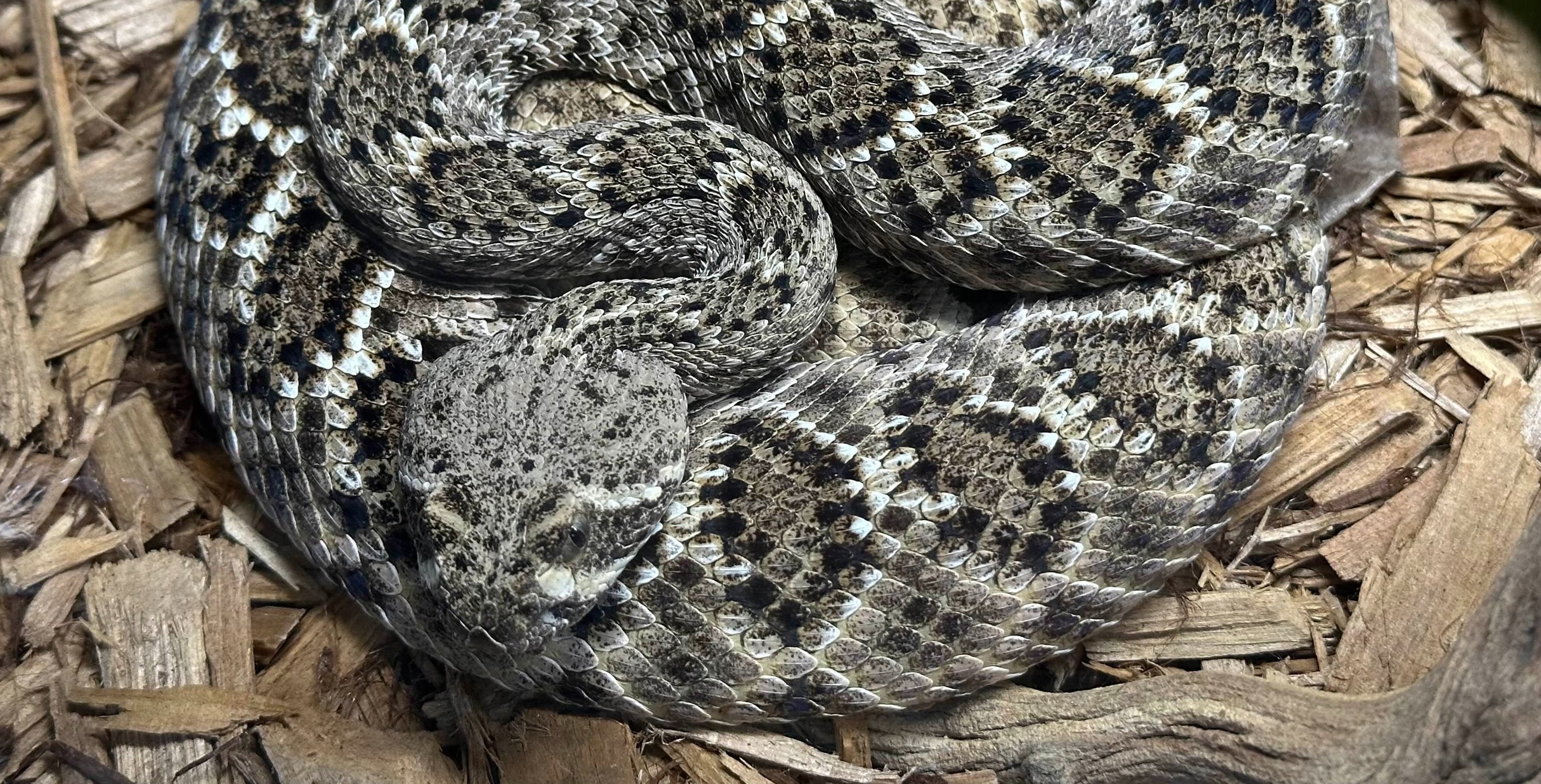
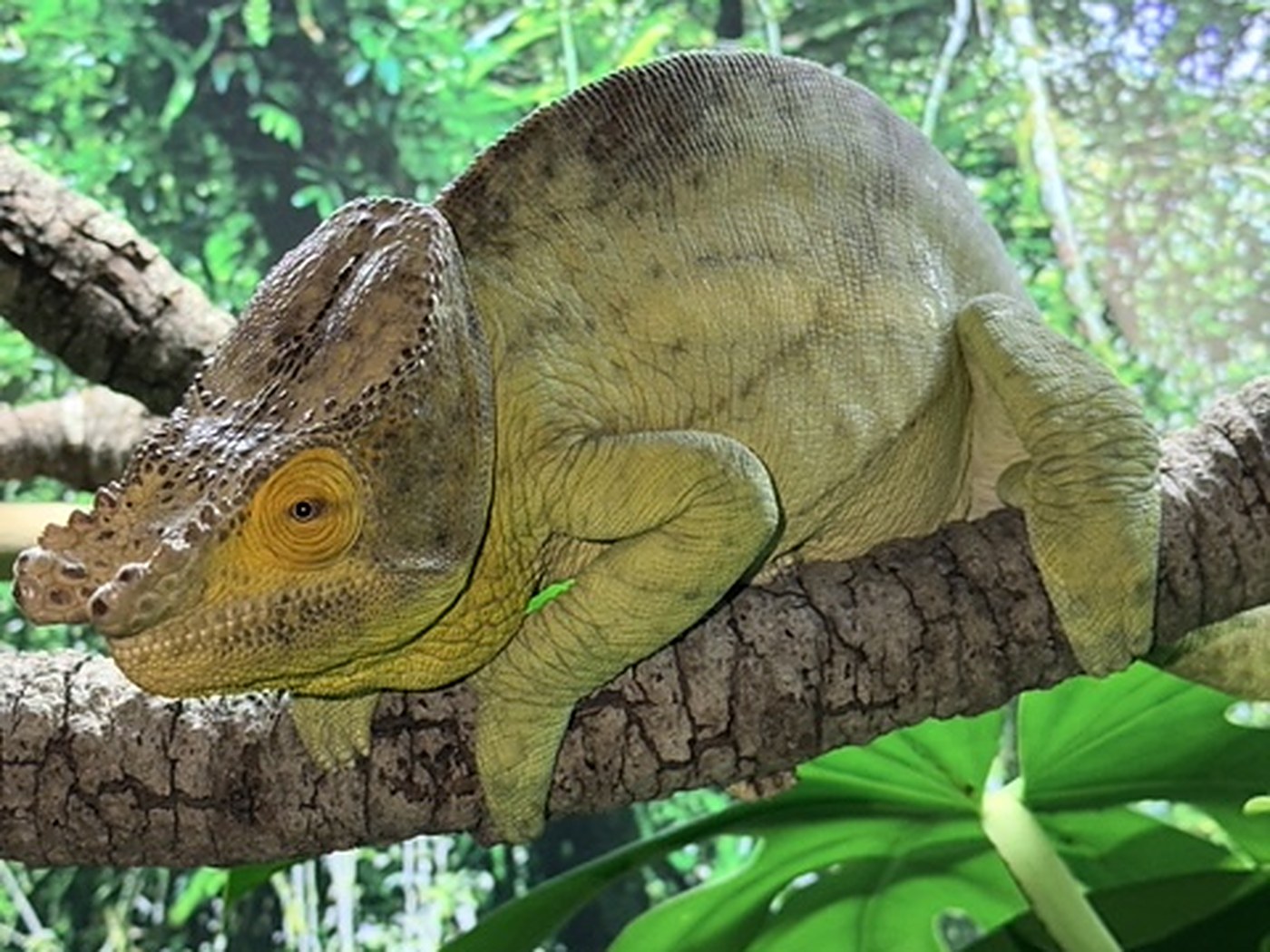
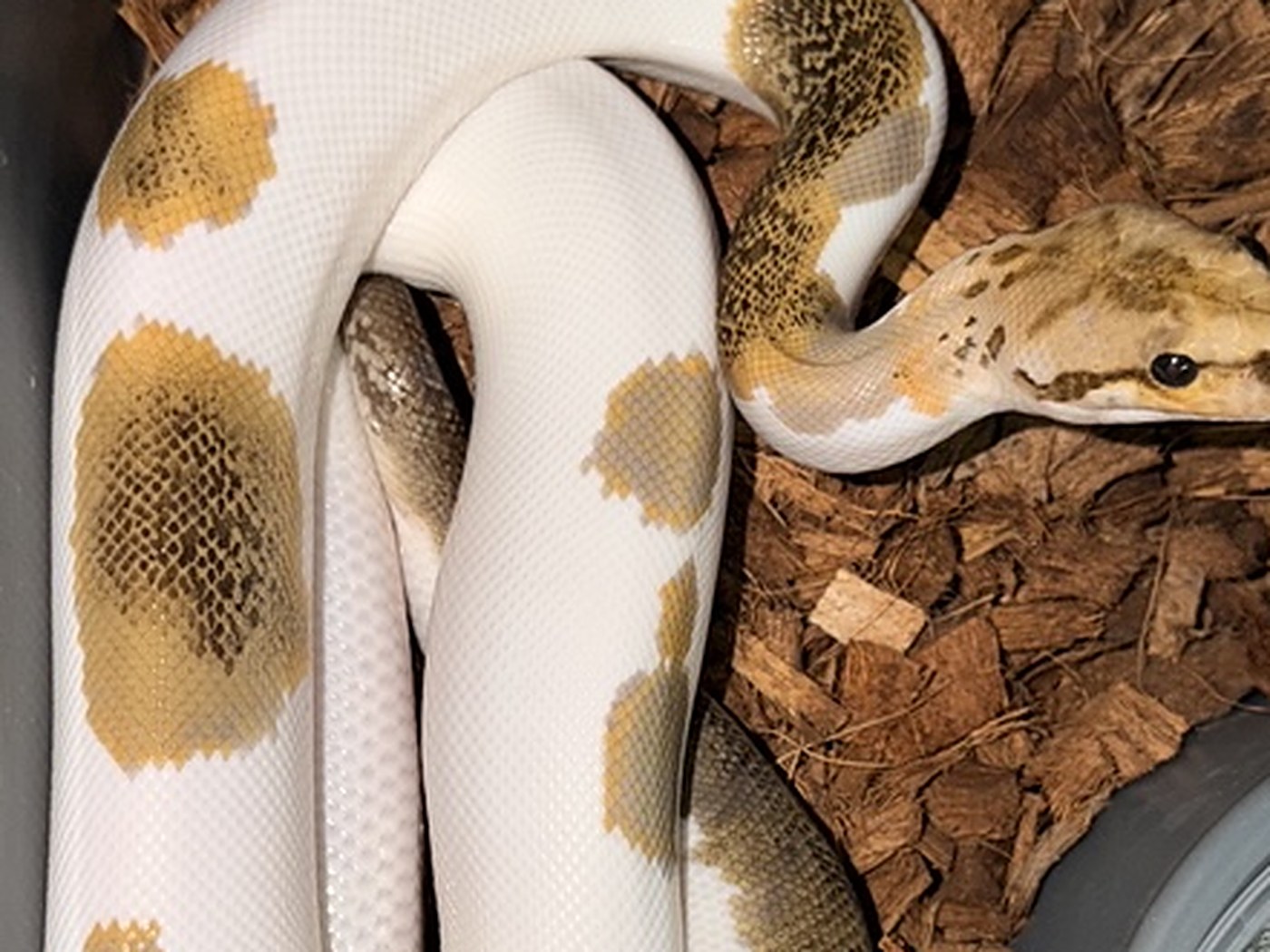
Every animal here represents its species. Each has its own page covering where it comes from, what threatens it in the wild, and what captive breeding does about that.
Protect, educate, conserve, and what each one costs
Reptiles, amphibians and invertebrates are ecologically critical and widely misunderstood. This zoo treats them as exactly that, rather than as something to be frightened of behind glass.
Protect
Permanent, species-appropriate homes for animals that cannot be released, were surrendered, or came out of the trade. Once an animal arrives here it stays here.
Educate
Every animal is paired with the specific pressure its species faces in the wild. School groups, families and keepers leave knowing something they can act on.
Conserve
Managed captive breeding of species under pressure, so that healthy captive-bred animals reduce the demand that pulls animals out of the wild.
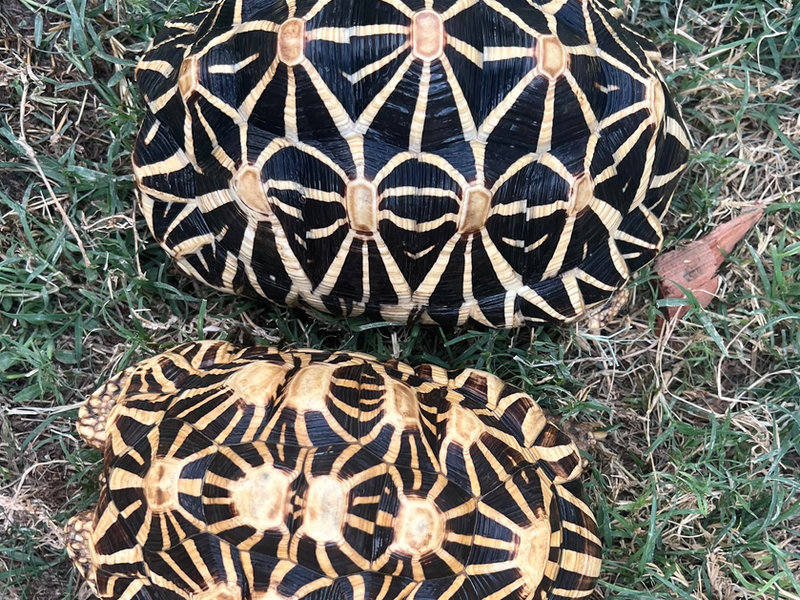
Why a breeding room matters more than a display case
The reptile trade has two sources: animals taken out of the wild, and animals bred in human care. Every animal bred properly in captivity is one that does not have to be taken from a shrinking wild population.
This is the part of the work nobody sees. It happens in a back room and it takes years. It is also the reason a species like the Indian star tortoise still has a future outside Sri Lanka and India.
What the zoo does, and how to be part of it
Reptiles hold a room faster than almost any other animal. The zoo uses that attention to teach something that lasts. None of it runs without the people paying for it.
Programmes the zoo runs
Schools
Classroom programmes
Curriculum-linked sessions built around live animals, covering adaptation, habitat, invasive species and the pet trade. Delivered here or at the school.
Book a presentation →Families
Guided encounters
Small-group time with a keeper and one of the animals, close enough to see how the animal moves and behaves rather than watching it sleep behind glass.
Book an encounter →Community
Outreach and events
Libraries, community centres, scout groups and local events across the valley, so the zoo reaches people before it has opened its doors.
Bring us to your event →Keepers
Husbandry talks
Honest sessions for people who already keep reptiles, on what these animals actually need and why most impulse purchases end badly for the animal.
Propose a collab →Ways to back it
One off
Give once
Straight into the build. Feed, heating, veterinary care and the enclosures the animals move into. Every dollar reaches the zoo.
Donate →Monthly
Sponsor an animal
Cover the care of one named animal. You get its updates, its photos and your name on its page.
Sponsor →Business
Corporate partner
Back a habitat or an education programme. Recognition on site, on the website and at events.
Talk to us →Time and goods
Volunteer or donate items
Enclosures, timber, lighting, transport and hands. Tell us what you have and we will tell you if we need it.
Get involved →Stay updated
The zoo is being built in public. New animals, enclosures going in, school visits and the events that pay for all of it turn up on social first.
Prefer email? Write to [email protected] and ask to hear about events. Everything the zoo publishes about where the money goes is on the transparency page.